Unit 7A, 30-32 Barcoo Street, Roseville NSW 2069
Unit 7A, 30-32 Barcoo Street, Roseville NSW 2069
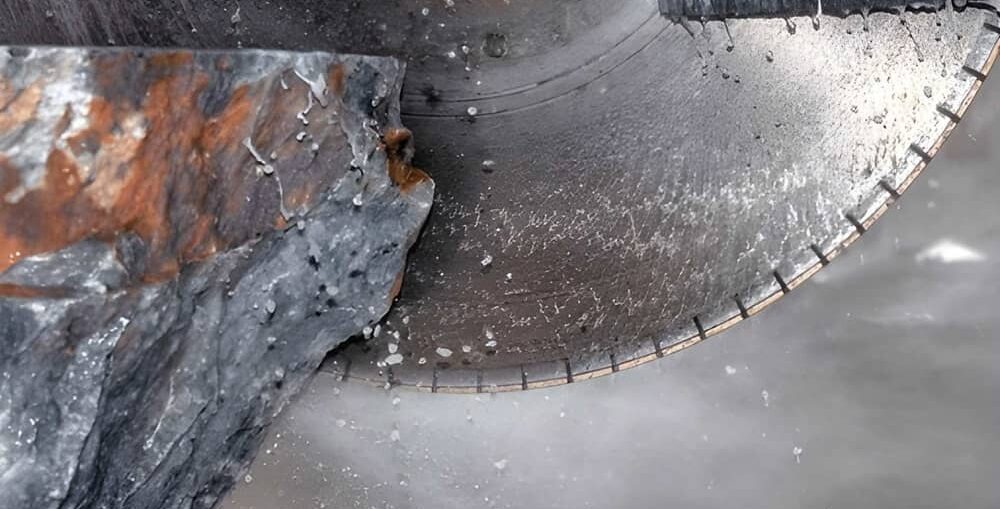
There’s nothing more frustrating than pushing a diamond blade into a cut and watching it grind to a crawl. One minute it’s chewing through concrete or stone like it should, and the next, it’s smoking, squealing, and barely leaving a mark. Before you write the blade off as dead, it’s worth knowing that the problem is often fixable, and understanding why it stopped cutting is the first step to bringing it back to life.
In this article, we’ll cover what’s really going on when a blade glazes over, how to tell a recoverable blade from one that’s genuinely worn out, and the simple steps Sydney tradies can use to get it cutting like new again.
With a diamond cutting blade, glazing means the metal bond that holds the diamond grit has polished smooth rather than having been worn away. The cutting edge looks shiny and feels slick to the touch. The blade stops cutting because the worn diamonds stay trapped on the blade and the fresh ones can’t come to the surface and replace them.
Normally, a blade will self-sharpen as the metal matrix wears down. This exposes new diamond crystals, which are sharp, and they continue to cut.
Glazing stops this process, turning the blade smooth. The blade then rubs against a material instead of slicing it. This creates friction, heat and a lot of smoke.
A diamond blade glazes or goes dull when the soft metal bond holding the diamonds wears down too slowly, trapping worn diamond pieces or leaving the steel core exposed without fresh sharp edges.
There are 4 main reasons for a blade to be glazed.
A glazed diamond blade has a shiny, smooth, mirror-like edge where metal covers the diamonds, but the segments are still thick and tall. A blade that is actually worn-out has the physical segment height ground down flush with the steel core, or shows structural damage like cracks or missing segments.
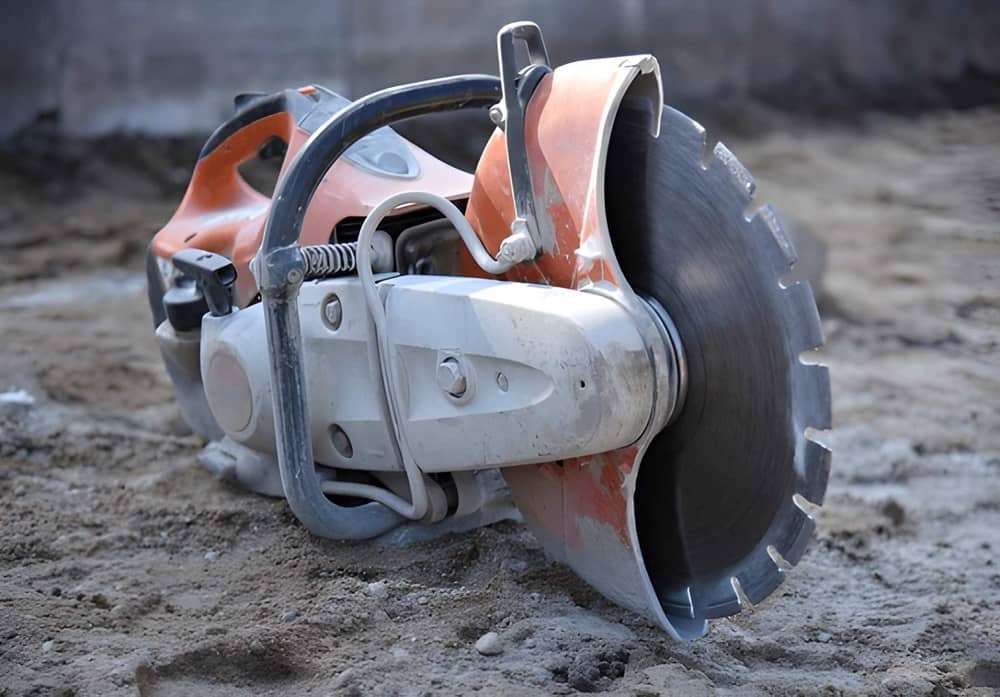
You bring a glazed blade back to life by ‘dressing’ it. This is where you make up to 10 shallow cuts into a soft, abrasive material, such as a concrete cinder block or a sandstone brick. This wears down the metal bond and exposes new diamonds that are fresh and sharp and ready to cut.
The easiest way to prevent glazing of your diamond cutting blade in the future is to match the blade’s metal bond hardness to the material you’re cutting. Hard bonds for soft and abrasive materials, and soft bonds for hard and dense materials. Apply steady pressure when cutting to fully utilise the blades and always have adequate cooling or a constant water flow to lubricate the blade.
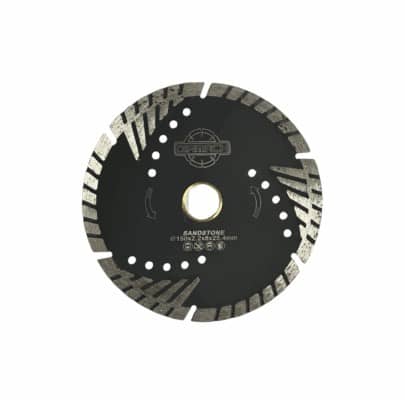
There will come a time when dressing a blade no longer cuts it, and you’ll need to replace it altogether. Keep an eye out for low segments worn flush with, or close to, the steel core, less than 1mm in thickness is your cue to retire the blade. Hairline cracks, a warped or bent steel core, and missing segments are all similarly non-negotiable; once the blade’s structural integrity is compromised, dressing won’t save it. The same goes for segments that have dulled into a smooth, rounded shape instead of holding their sharp edge.
Performance tells its own story too, often before you spot anything physical. A blade that’s suddenly taking longer to get through the same material, or one that looks smooth and glazed but won’t respond to dressing, is on its way out. Excessive vibration or shaking during a standard cut can point to a broken or warped blade, while heavy friction, heat, smoke, or sparks are signs the damage is already being done and a replacement can’t wait much longer.
A blade that’s stopped cutting isn’t always a dead blade, and that’s true whether you’re cutting concrete on a Sydney construction site or shaping sandstone for a heritage restoration. More often than not, it’s just glazed over and asking to be dressed back into shape.
If you need a dressing stone to bring a glazed blade back to life or a fresh blade suited to the material you’re working with, Diamach stocks a wide range of diamond saw blades built to handle Sydney’s toughest jobs. Not sure which blade or bond hardness is right for your project? Get in touch with our team for expert advice, or call us directly on 02 8915 5095.