
Unit 7A, 30-32 Barcoo Street, Roseville NSW 2069
Unit 7A, 30-32 Barcoo Street, Roseville NSW 2069
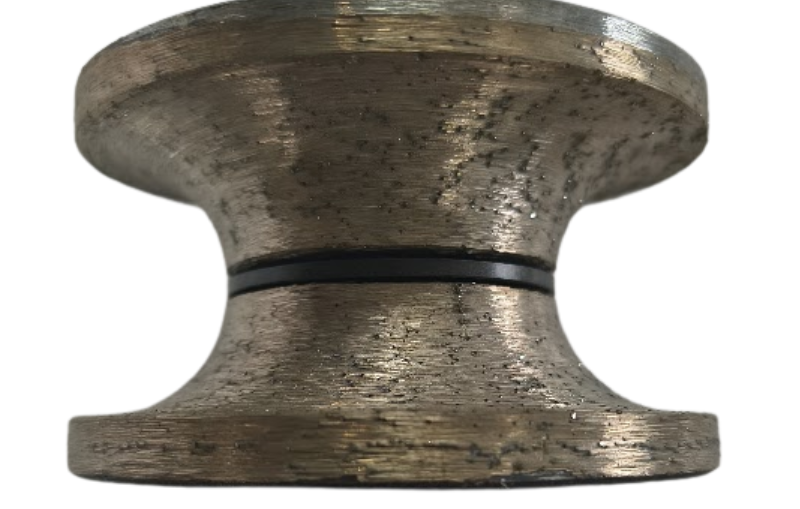
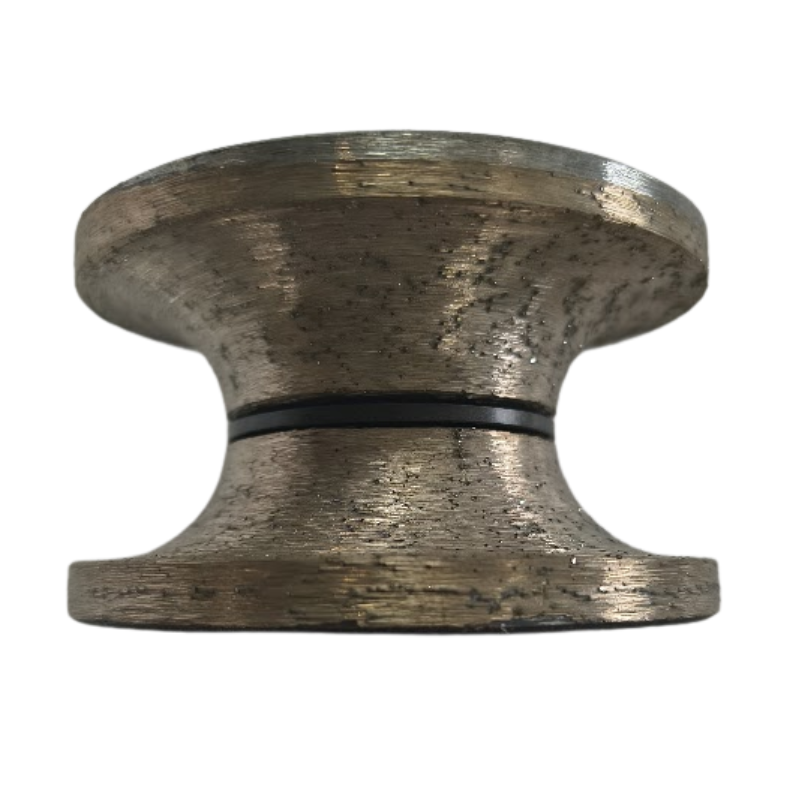
Stone profiling has long been a domain reserved for professional workshops with CNC machines and high-end stone processing equipment. Today, however, the game has changed. Stone profiling wheels are now available with M14 fittings for use on standard angle grinders, including wet feed grinders. This means fabricators, tradies and renovators can access pro-level results without the need for expensive machinery.
This advancement is a major shift for stonemasons and tilers in Australia, especially in regions like Sydney and Melbourne, where both time and cost efficiency are critical on-site. With the right safety protocols and accessories, a quality profiling wheel on an angle grinder can yield accurate curves and bevels. Regardless of whether you’re working with benchtop edges, tile borders, or stone cladding.
There are two main types of profiling wheels now adapted for use with angle grinders: vacuum brazed and segmented.
Vacuum brazed wheels are ideal for softer, more brittle stones such as marble, travertine, porcelain, and ceramic tiles. Their aggressive cutting ability, paired with a smoother finish, makes them a great choice when surface damage must be minimized. On the other hand, segmented profiling wheels — usually identified by their grooved, tooth-like edge — are better suited to tough materials like engineered stone, granite, concrete, and sandstone. While they may not produce as smooth a finish initially, they offer much longer life and can withstand more heat and stress from dense stone.
At Diamach, we stock both styles, ensuring you can choose a wheel that suits your material and job type. Browse our profiling wheels here.
Profiling wheels come in specific shapes that determine the final profile or edge design of your stone. Popular options include bullnose (a full semi-circle edge), quarter bullnose (a gentler, rounded corner), and Ogee (an elegant, double-curve typically used in kitchen benchtops or feature stonework).
Each wheel is designed for a particular stone thickness. For example, a 20mm profiling wheel is made for 20mm-thick stone. However, natural stone can vary slightly in thickness. And so it’s often safer to use a wheel designed for a slightly thicker piece. This helps avoid creating a sharp lip at the underside of the stone, which not only looks untidy but can pose a safety risk.
The profiling wheel also includes a center bearing. It helps guide the wheel smoothly along the edge of the stone, whether it’s a straight run or a curved section. The large top bearing is designed to sit on the surface of the stone without rotating. That helps ensure even pressure and placement while profiling. This makes it possible to achieve consistent edges even when working manually.
If you’re creating a bullnose edge, it’s best to chamfer the corner first. This means essentially shaving off the sharp edge before going in with the full profile wheel. This reduces the time it takes to grind the full curve, puts less strain on your tool and extends the life of your wheel. It also results in a cleaner, more consistent finish.
Profiling wheels are usually coarse grit to allow for faster material removal. This is necessary given the density of the stone. After profiling, you’ll need to polish or sand the edge to eliminate any visible grooves or roughness left behind. This post-processing stage is especially important when working with decorative pieces or exposed stone where the finish quality is critical.
If you need polishing pads or diamond abrasives for that final polish, check out our stone polishing range here.
Grinding stone dry can produce large amounts of silica dust, which is harmful when inhaled. If you’re using your profiling wheel dry (especially indoors or in poorly ventilated spaces), you must wear proper PPE. This can include a P2-rated dust mask, safety goggles, and ear protection. Also consider using a dust shroud or vacuum system if available.
Better still, use a wet-feed angle grinder where possible. Wet cutting not only controls dust but also keeps the wheel cool, reducing wear and improving finish. Always ensure your grinder is compatible with wet applications and connected to a water feed safely.
👉 Need to comply with dust control on-site? Check the latest silica safety rules from SafeWork NSW here.
Before this technology was widely available, you’d have to outsource profiling work to a fabrication shop or invest thousands in CNC machines to produce even basic shapes. With the introduction of M14-threaded profiling wheels, you can now get professional-grade profiling done in-house or on-site — even if you’re a solo tiler or a small team of tradies.
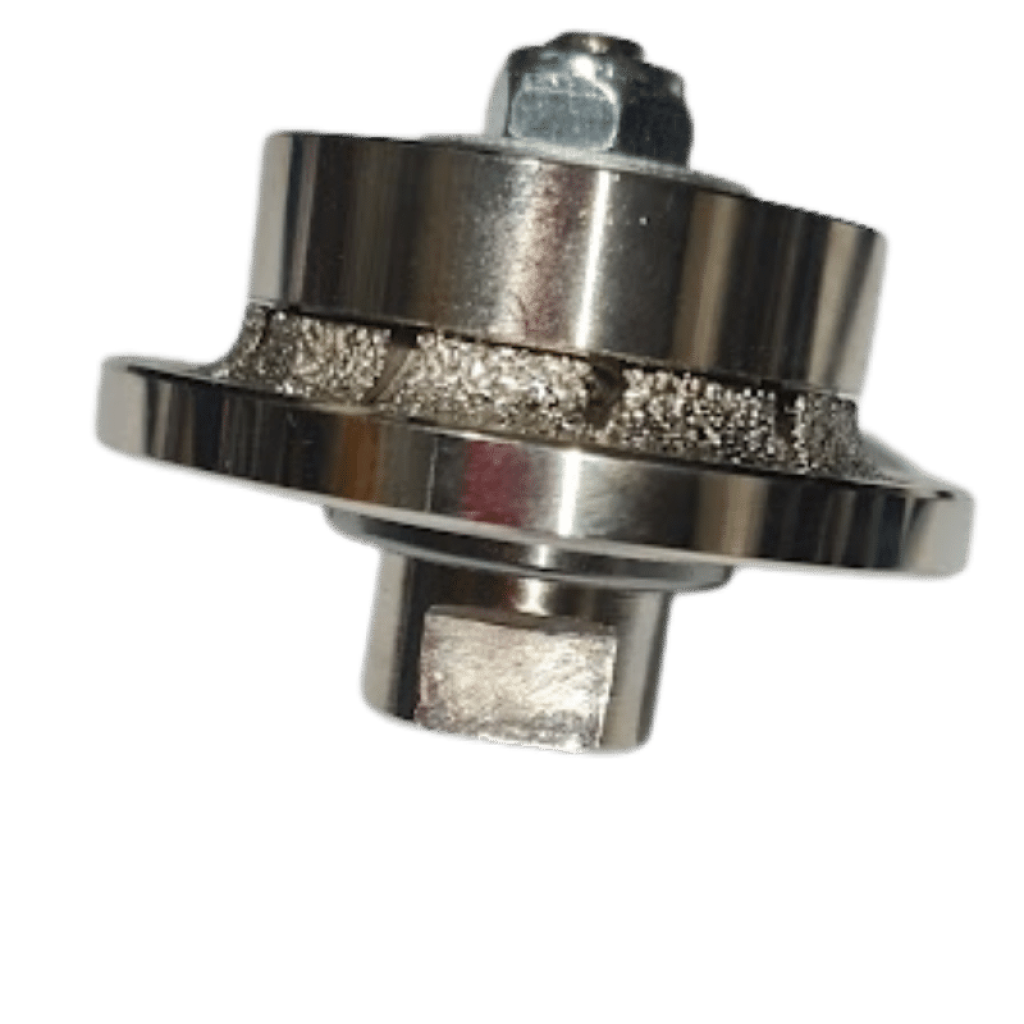
This not only saves time and transport costs but also empowers more creative control over projects. For custom work, such as curved tile borders, curved kitchen splashbacks, or decorative stair treads, the ability to profile stone yourself means you’re not limited by off-the-shelf options.
Whether you’re working on renovations, custom joinery, or new builds, having the right profiling wheel in your toolkit is a smart investment.
At Diamach, we offer premium-grade stone profiling wheels that fit most angle grinders, including wet grinders. Whether you need a bullnose for marble, an Ogee edge on granite, or a rugged segmented wheel for sandstone coping — we’ve got you covered.
👉 Explore our full range of profiling wheels and accessories now, or visit us in-store in Sydney to get expert advice tailored to your tools and materials.